
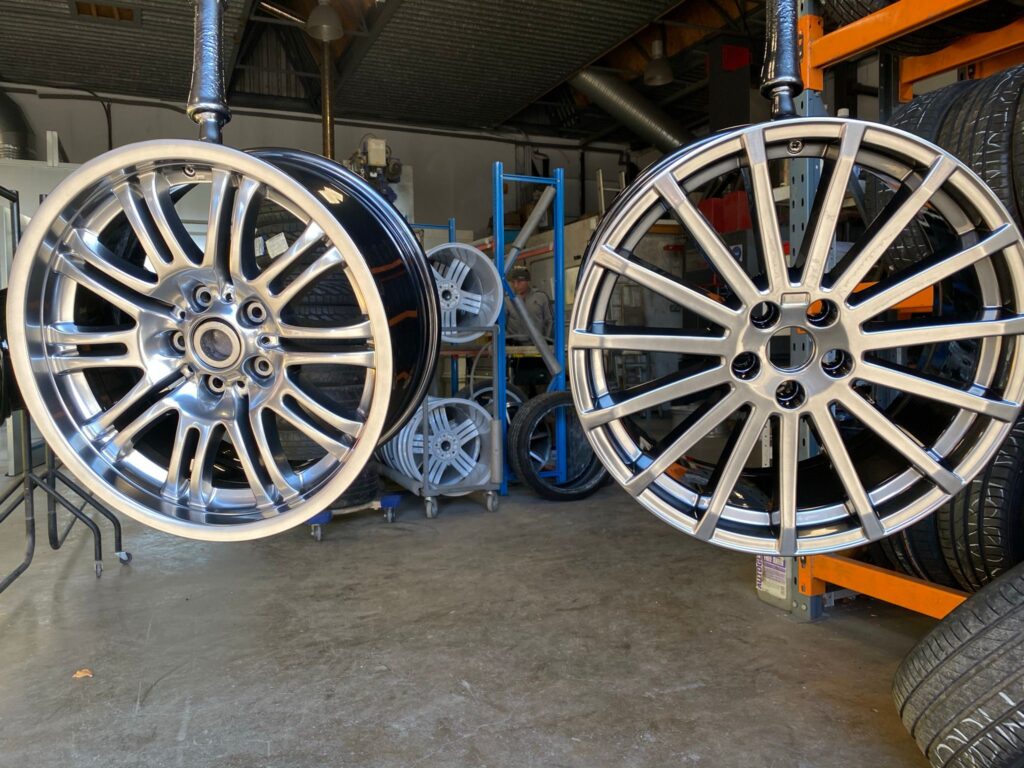
Understanding Diamond Cut Wheel Corrosion: Causes and Prevention
Diamond cut alloy wheels offer a stunning, premium aesthetic with their distinctive two-tone, mirror-like machine-metal face. However, due to the nature of their precision engineering, they require a bit more attention than standard painted wheels to keep them looking their best. A common issue that many car owners face is unsightly corrosion creeping across the polished surface.
Understanding what causes this corrosion and how to spot it early can help you preserve your wheels or know exactly when it is time to book them into our workshop for a professional CNC lathe restoration.
What Causes Corrosion on Diamond Cut Wheels?
Unlike fully painted wheels that have a thick, textured primer layer for the paint to adhere to, diamond cut wheels feature clear protective lacquer applied directly over completely smooth, raw aluminium. This makes them inherently more susceptible to the following issues:
- Exposure to Winter Road Elements: Moisture, road salt, grit, and pollutants constantly pelt your wheels. Over time, these harsh environmental factors break down the protective clear coat, allowing air and water to reach the bare metal underneath.
- Minor Surface Damage: Even the smallest stone chip, scratch, or minor kerb scuff disrupts the lacquer seal. Once that airtight barrier is compromised, water creeps beneath the clear coat, creating a cloudy, white, or “milky” spider-web effect known as white rust.
- Aggressive Chemical Cleaners: Using harsh, acid-based alloy wheel cleaners or highly abrasive brushes can rapidly strip away the protective lacquer layer, leaving the raw aluminium completely defenceless against rapid oxidation.
- Brake Dust Accumulation: Neglecting regular maintenance allows hot, metallic brake dust particles to settle and burn into the wheel surface. If left unchecked, this buildup accelerates the degradation of the lacquer.
Left untreated, surface corrosion will not only ruin the clean, premium appearance of your alloys but can eventually compromise the integrity of the wheel face.
Simple Tips to Prevent Corrosion
To maximise the lifespan of your diamond cut finish and protect your investment, follow these straightforward care guidelines:
- Clean Regularly and Safely: Wash your wheels frequently using warm, soapy water and a soft microfiber cloth or sponge to remove dirt and brake dust before it binds to the surface.
- Strictly Avoid Harsh Chemicals: Never use aggressive, acid-based cleaners or automated car wash wheel brushes. Stick to mild pH-neutral shampoos.
- Apply Dedicated Wheel Protection: Consider applying a high-quality, specialised alloy wheel wax or sealant after cleaning. This adds an extra layer of defense against road salt and moisture.
- Inspect Your Wheels Often: Catching a tiny chip or scratch early allows you to address the issue before water gets underneath and spreads across the entire face.
Spotted Signs of Corrosion on Your Wheels?
Because diamond cutting involves utilizing a highly precise CNC digital lathe to shave away a microscopic layer of metal, wheels can generally only be cut a limited number of times before the profile becomes too thin. Addressing corrosion early ensures we can safely restore them back to a flawless factory standard.
If your diamond cut wheels are starting to look cloudy, milky, or corroded, get in touch with our team today to request an upfront guide price or schedule a drop-off time at our workshop.